Limited attention. Hollywood anatomy. Blow-up broccoli. Aus-Chile astro connection. Who owns where you’ve been?
Thursday 20 August
Highlights from day 6 of National Science Week
Researchers, experts, and other interesting people available for interview around the country.
VIC: Why attention is a precious and limited resource.
NSW: Anatomy according to Hollywood.
NT: Alice Springs and Chile connect through poetry, astronomy, and our shared view of the stars
VIC: Who owns the map of where you have been?
QLD: How modern surveying can map a mine in the dark, and more.
SA: Ethics and AI: Will there be creative jobs for today’s students?
QLD: Mud, marsh and data: citizen scientists hit the wetlands in North Mackay.
VIC: Flying fox inspired installation explores life after collapse.
NSW: The origin of everything, from chemicals to the cosmos.
ACT: Balloon veggies persuade kids to eat healthier food.
NATIONAL: Kids’ Food Systems Conference stimulates student appetite for problem solving.
Read on for more on these, including direct event contact details.
Also today:
- VIC: Can the internet be saved? Scientists and comedians debate.
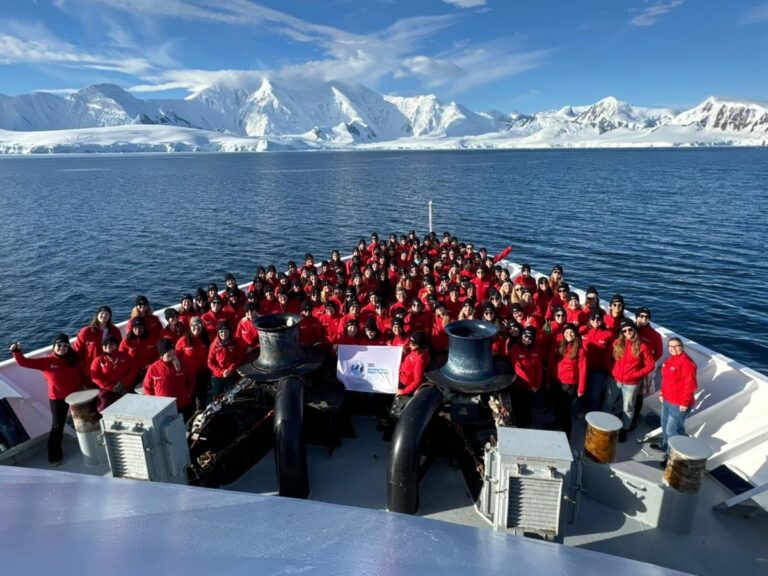
- TAS: Maths and supercomputing reveal the rapidly changing Antarctica and the Southern Ocean.
More about the event highlights
Why attention is a precious and limited resource: neuroscientist explains – Fitzroy North, VIC

Attention: what is it? How does it develop, how is it taxed, and what does science reveal about focus in our information-saturated world?
Prof Katherine Johnson from the University of Melbourne draws on developmental neuroscience to explain why this valuable resource is being depleted.
She will be speaking at Bargoonga Nganjin North Fitzroy Library this National Science Week.
Thursday 20 August: www.scienceweek.net.au/event/attention-as-currency-with-professor-katherine-johnson/fitzroy-north
Anatomy according to Hollywood – Kensington, NSW
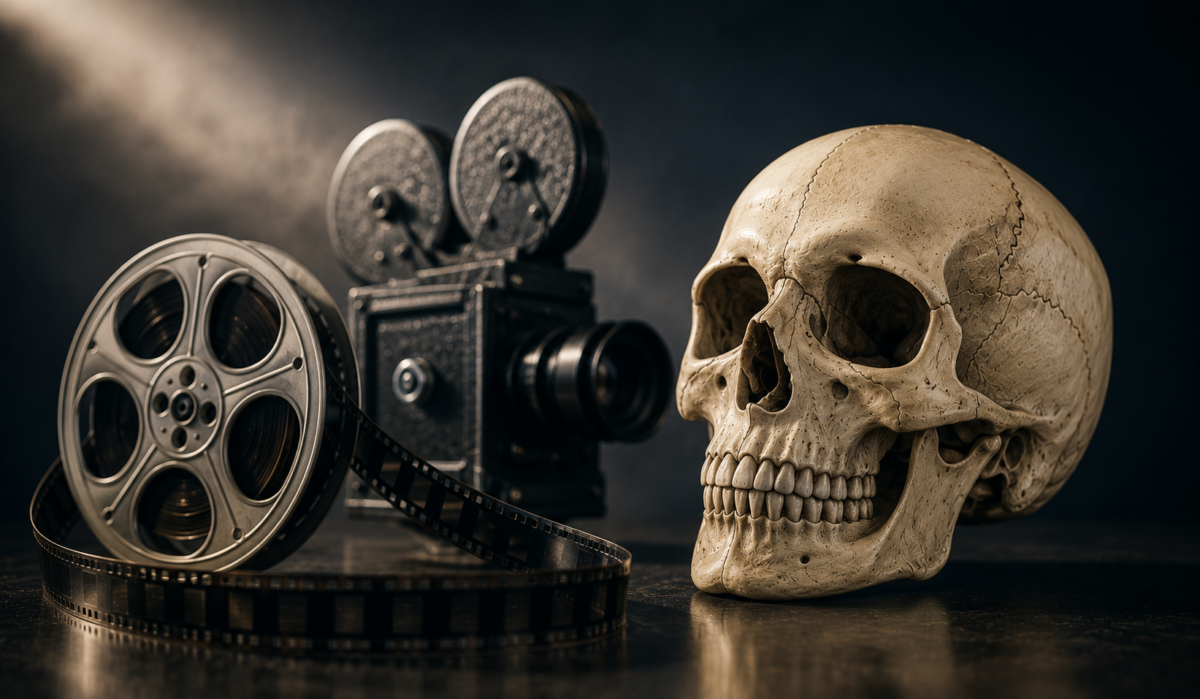
Ever watched a movie scene and thought, “there’s no way the human body works like that… right?” Dr Kosta Kotsidis can explain what Hollywood gets right and gets very wrong, with examples drawn from House, Indiana Jones, Austin Powers, Poltergeist (and many more).
Kosta will explore human bodies on screen and the real science of anatomy in his hilarious and fact-filled public talk Anatomy According to Hollywood, set in the unique and revealing Museum of Human Disease.
Recommended for ages 16 and above. This event includes discussion of human anatomy, injury, horror themes and clips or references from MA15+ films and television programs.
Thursday 20 August: www.scienceweek.net.au/event/anatomy-according-to-hollywood/unsw
Dr Kosta Kotsidis is available for media interviews.
Alice Springs and Chile connect through poetry, astronomy, and our shared view of the stars – White Gums, NT
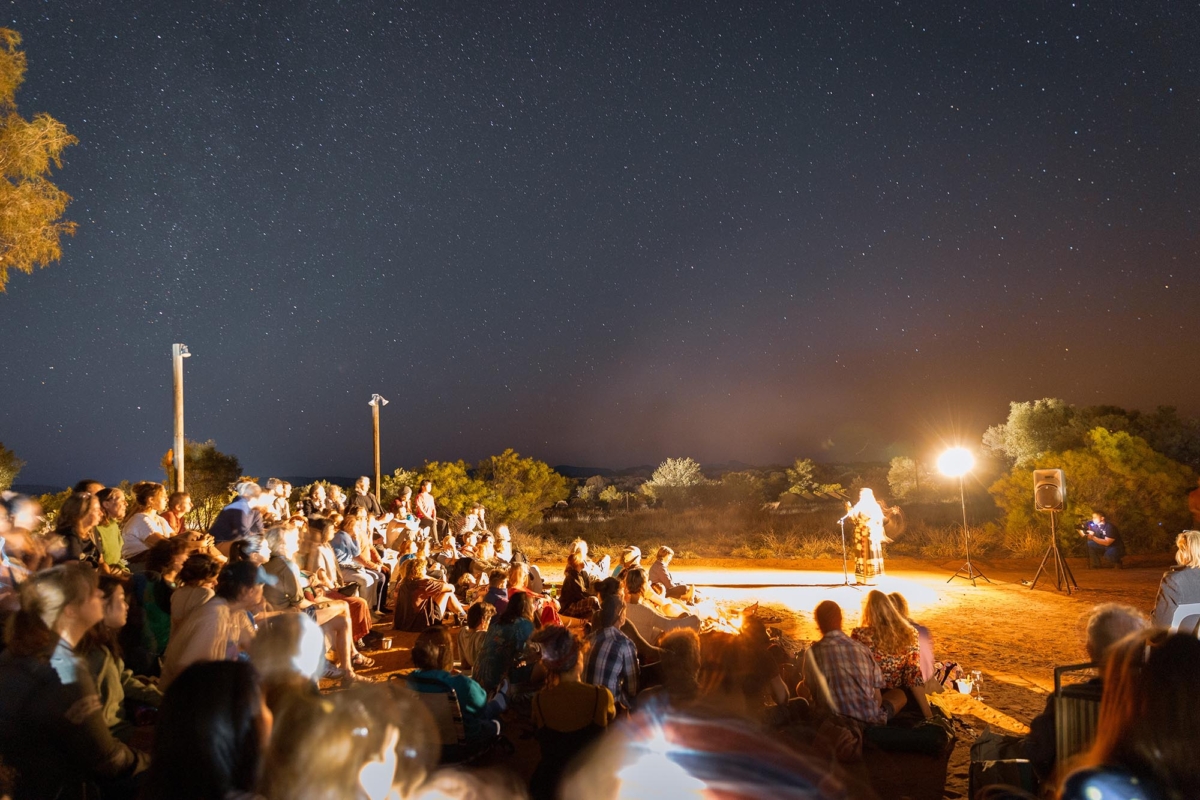
Passageways [Caminos] is an international art–science collaboration connecting Central Australia and Chile through poetry, astronomy, and shared southern skies.
Central Australia’s Red Dirt Poetry Festival has joined forces with Chile’s International Poetry Festival (ACRUX – Festival Internacional de Poesia) to create an unprecedented South-to-South cultural exchange, connecting communities from South American coast to Australian desert. Both festivals look up to the same Southern Cross (Acrux) and Magellanic Clouds. Both festivals take place in Dark Skies areas. Australia’s event will highlight the importance of dark skies to astronomy, wildlife and culture, and the challenges faced by light pollution.
Nine poets – six Australian and three Chilean – are working with Australian Astronomers to explore the three core concepts merging poetry with astronomy: Waterways, Signways and Skyways. The project culminates in a flagship bilingual public event on Arrernte Country (Mparntwe/Alice Springs), featuring live sky tours, poetry performances, and a celebration of dark‑sky stewardship and cross‑cultural knowledge exchange.
Thursday 20 August: www.scienceweek.net.au/event/passageways-caminos
Who owns the map of where you have been? – Melbourne, VIC

Satellites, drones and sensors manage traffic, respond to emergencies and monitor disasters. They also track our movements constantly, raising questions about privacy, who controls location data, and who gets a say in how places are mapped and understood.
Geography Victoria and the Royal Society of Victoria host a symposium on the possibilities and the perils, with five speakers from industry, government and academia talking about both the applications and the underappreciated dangers.
Speakers are Alena Moison (Director, Vicmap, Department of Transport and Planning), Kirk Mitchell (Director of Geo Partnerships at Google and Adjunct Professor, RMIT University), Associate Professor Jathan Sadowski (Emerging Technologies Research Lab, Monash University), Amy Griffin (Senior Lecturer in Geospatial Science, RMIT University) and Mina Jahanshahi (Data Insights & Solutions, Veris Australia).
Thursday 20 August: www.scienceweek.net.au/event/the-power-of-geospatial-science-promise-and-peril
Map a mine in the dark – Milton, QLD
Emesent’s Hovermap and GX1 scanners build a 3D map of a space as they move through it, including underground where GPS cannot reach. At the company’s Brisbane headquarters the engineers who built them will run them live and narrate what the sensors are seeing.
The evening also covers how digital twin technology is being used to record and protect heritage sites, with exhibit stations on surveying, SLAM technology, mining safety and public safety applications, and engineers on hand throughout.
Run with Surveyors Australia, and pitched at students weighing up career pathways as much as at industry professionals.
Thursday 20 August: www.scienceweek.net.au/event/surveying-the-future-he-high-value-skills-and-advanced-technologies-driving-the-science-cities-and-businesses-of-tomorrow
Will there be creative jobs for today’s students? – Adelaide,SA
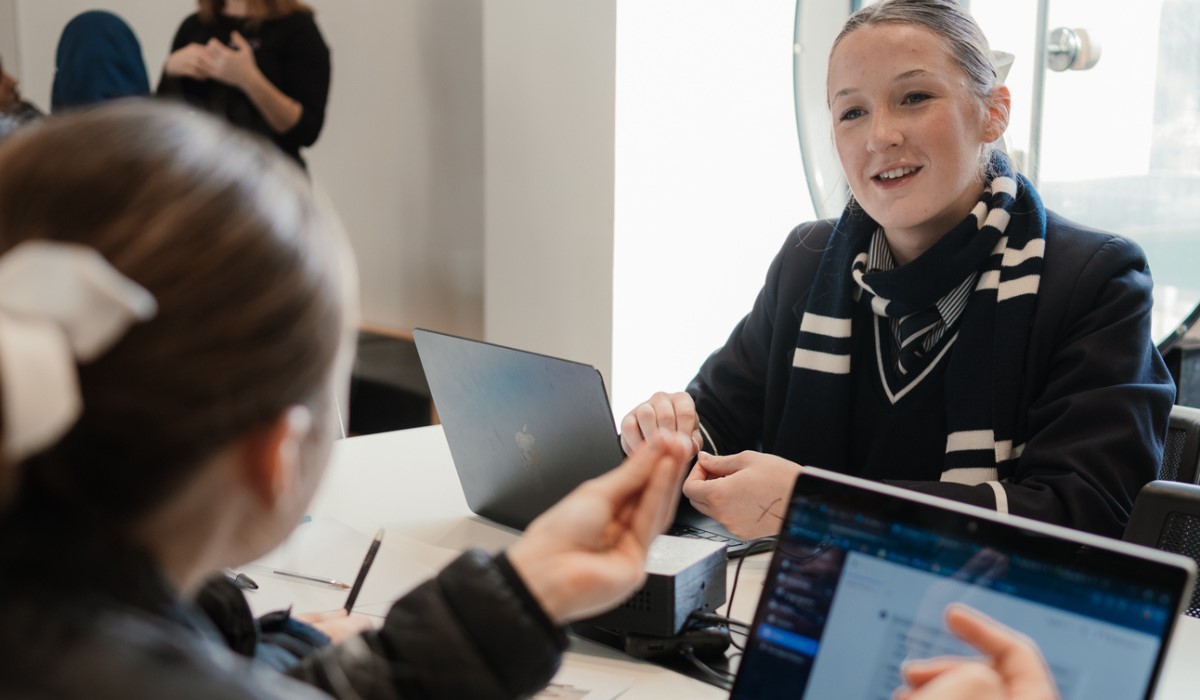
What role should AI play in creative work? How do we balance innovation with ethical responsibility? What choices do we want young people and communities to make as technology develops? And what is Australia’s place in this global technological transformation?
Prime Minister Albanese is establishing an AI office. What do the experts say? Ask Australian AI researchers Dr Rebecca Marrone and Dr Maria Vieira.
Dr Rebecca Marrone is a Senior Lecturer at Adelaide University’s Centre for Change and Complexity in Learning (C3L). She has a background in educational psychology, and her research is primarily in the fields of creativity, wellbeing, and human and artificial cognition.
Dr Maria Vieira holds a PhD in STEM and a master’s degree in the psychology of creativity. As a member of the Centre for Change and Complexity in Learning (C3L), her research explores creativity, human-AI collaboration, and gender equity, with a particular focus on STEM fields in which women remain underrepresented.
Rebecca and Maria will be speaking at the ‘Future Minds: Creativity and ethics in the age of AI’ series of lectures and student workshops (for years 9-12), inviting audiences to reflect, discuss and engage with some of the most important questions shaping our technological future.
Adelaide and Mawson Lakes events today. All dates and locations
Mud, marsh and data: citizen scientists hit the wetlands – North Mackay, QLD
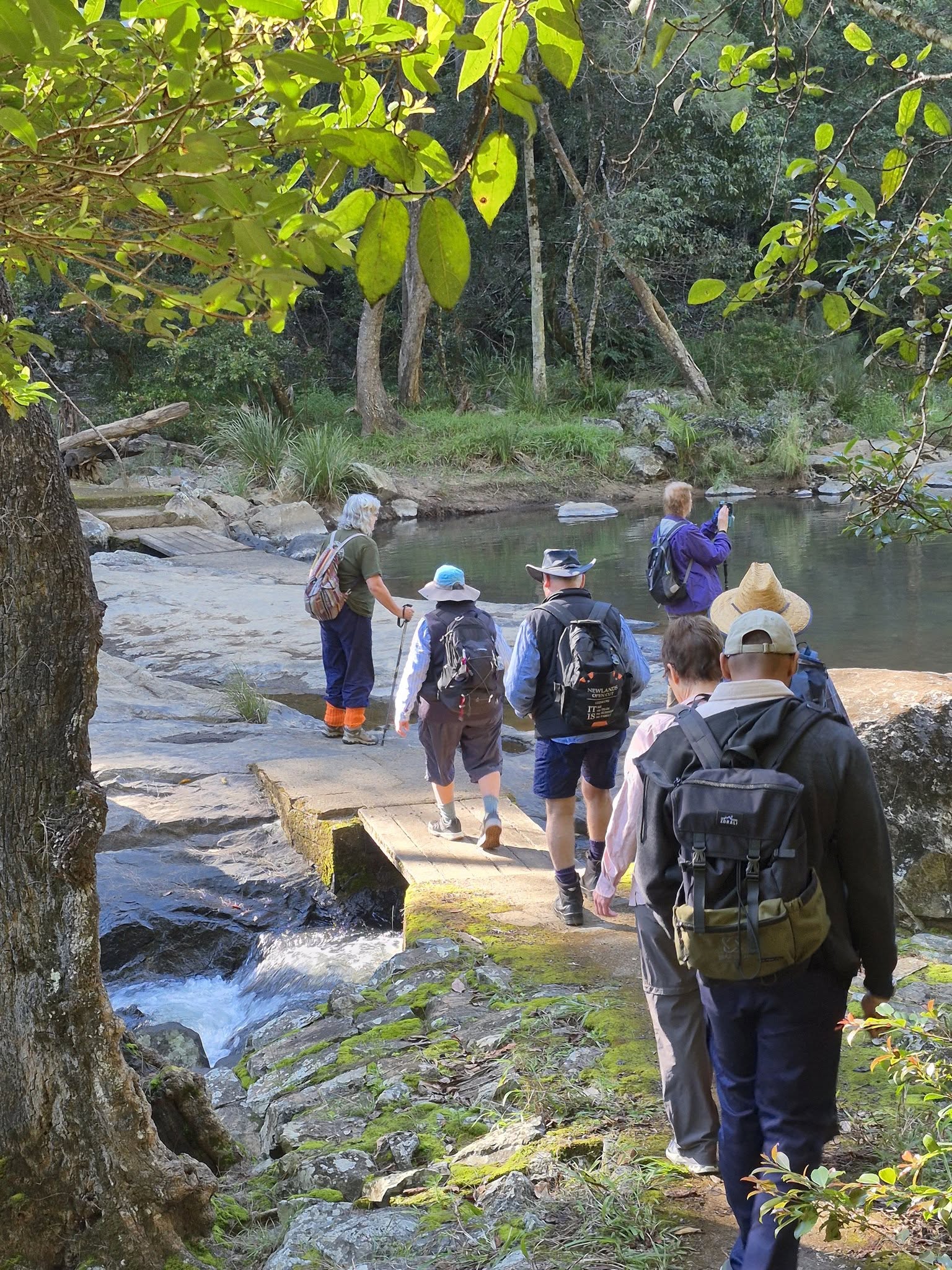
Mackay locals and schools will roll up their sleeves for a real-world environmental science survey at Saltmarsh Secrets, a hands-on citizen science event at the Wetlands Walkabout on Keeley’s Road, hosted by Pioneer Catchment Landcare.
Participants will contribute directly to data collection while learning how coastal wetlands support biodiversity, protect shorelines and store carbon – with the project designed to make science accessible for regional communities who may not typically engage with STEM.
Thursday 20 August: www.scienceweek.net.au/event/saltmarsh-secrets-coastal-science-at-wetlands-walkabout/north-mackay
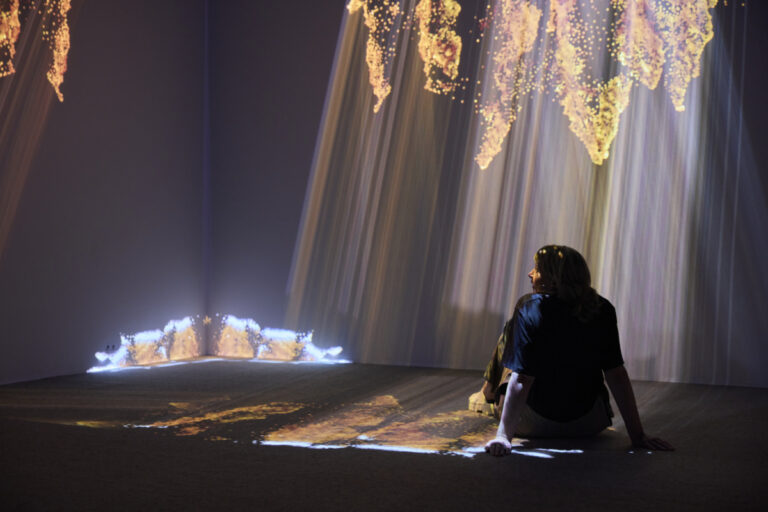
Flying fox inspired installation explores life after collapse – Dandenong, VIC
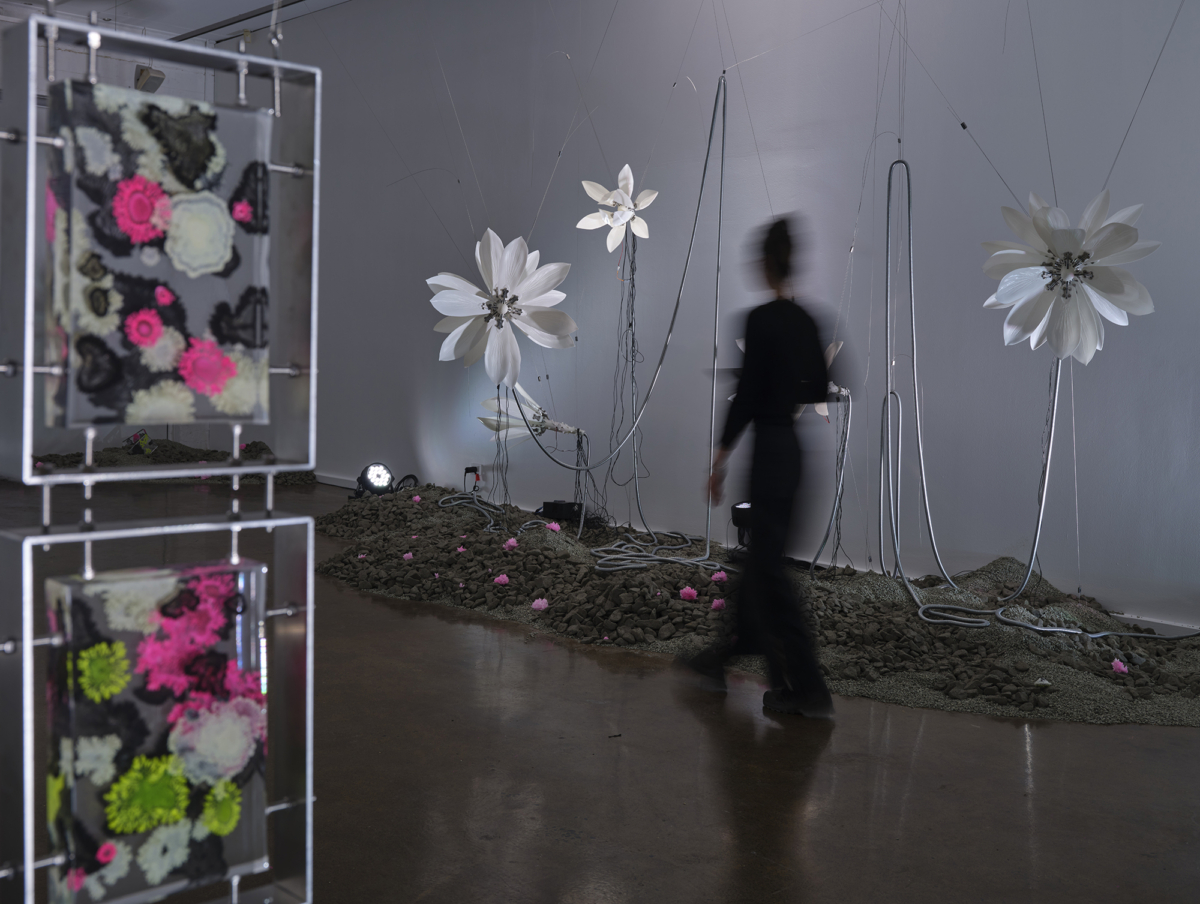
Artists Charlie Lawler and Wona Bae invite audiences to explore ecosystem science through contemporary art.
Their installation ‘Primary Succession’ explores environmental loss through the lens of one of the region’s most vital yet often misunderstood species: the grey-headed flying fox.
Essential pollinators and seed dispersers, these nocturnal animals function as a keystone species whose survival is closely tied to the health and regeneration of entire ecosystems. The artists imagine a future where eco-intelligence and ecological memory replace human-centred systems of control.
Grounded in long-term research into Melbourne and Greater Dandenong landscapes, the work examines a world shaped by colonial extraction, urban expansion and climate crisis. It reflects on how life reorganises itself after ecological rupture.
The project brings together technical partners including Chisholm Institute, Swinburne University of Technology, and RMIT’s Future Play Lab; and conservation partners, including the Royal Botanic Gardens Cranbourne and the Bunurong Land Council Aboriginal Corporation.
Saturday 15 August – Saturday 22 August: www.scienceweek.net.au/event/entangled-everywhere/dandenong/
The origin of everything – Chippendale, NSW

How did we get here? How was our Universe formed? And how did life on Earth begin? Ask University of Sydney researchers, astrophysicist Professor Geraint Lewis and chemist Dr Haihui Joy Jiang, as they tackle some of humanity’s biggest questions.
Through stories of cosmic evolution, lightning-powered chemistry and world-leading research, they will share how understanding our past could help shape our future.
Hosted by academic and science communicator Professor Alice Motion.
Thursday 20 August: www.scienceweek.net.au/event/the-impact-factor-matter-of-origin/chippendale/
Balloon veggies persuade kids to eat healthy – Canberra, ACT
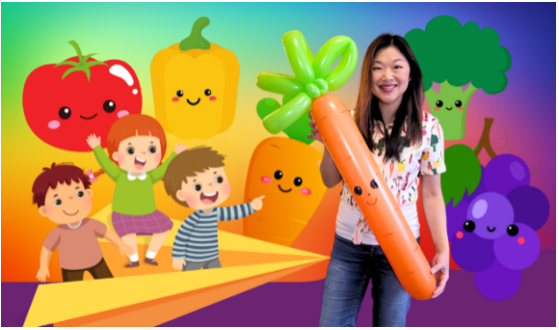
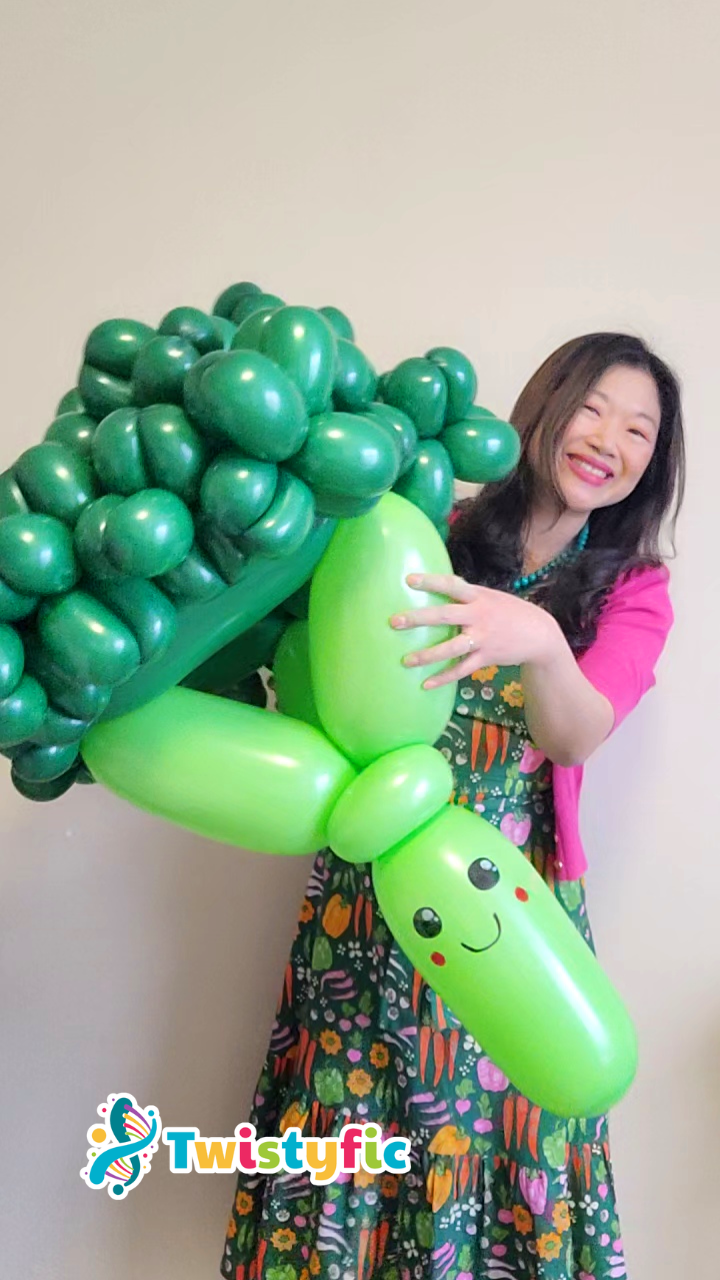
Move over balloon animals, these balloon fruits and veggies are getting kids eating healthy (note: please don’t eat balloons). Former reality tv star, molecular biologist and official balloon scientist Dr Chloe Lim has partnered with the University of Canberra and Nutrition Australia to create Foodie Fun Play! This hands-on adventure lets curious little eaters explore nutrition through storytelling, science and sensory experiences. Perfect for kids aged 3-8.
Chloe founded edutainment venture, Twistyfic, and made the finals of Channel 7’s TV show, Blow Up.
Thursday 20 August: www.scienceweek.net.au/event/foodie-fun-play/denman-prospect
Saturday 22 August: www.scienceweek.net.au/event/foodie-fun-play/holt
Kids’ Food Systems Conference stimulates student appetite for problem solving – national, online
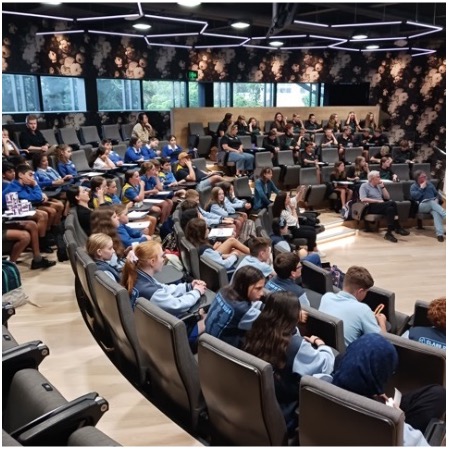
How will be feed our growing population? How do we use water and other resources, what is our place on Country and how do we address the environmental impacts of food production?
Find out at Kids’ Conference Food Systems 2026, where primary and secondary students (aged 7 to 18) from Australia and the world step up to the presenter’s podium to share their own research. They will deliver 10-minute presentations on their food systems ideas to a panel of science and foodie experts.
A goal of the conference is to share ideas about how we can balance nutritional food production without placing pressure on the natural systems we share with so many other species.
Students presenting at this event also have an opportunity to present their Food Systems project at our main Kids’ Conference Australia 2026 event on Monday 16 November at The University of Melbourne.
Thursday 20 August: www.scienceweek.net.au/event/kids-conference-food-systems-26/