
Courses open now in Sydney, Melbourne, Adelaide and Perth
Communication and media training for researchers
Know your audience, know your story
We offer a suite of online and onsite engagement, media, communication and presentation training for researchers and scientists from early career to through to leadership.
Our full day courses are for groups of six to twelve people, and shorter workshops for groups of 20 to 200.
Science in Public can also support your team’s professional development goals. Learn more.
We’ve trained thousands of researchers from hundreds of organisations. Get in touch to learn how our science communications training services can build your confidence, and upskill your team.
We’ve trained thousands of researchers from leading Australian research organisations
“I really enjoyed this media training course. It explained how the main media streams work, helped us plan to communicate our story.”
Climate Change Research Centre,
“It was absolutely fascinating and a real eye-opener about how the media works behind the scenes. They did an awesome job.”
Faculty of Science and Engineering,
” Highly recommend the media training… We learnt how to adapt our research stories for news, radio, and print based reporting.”
Stem Cell Scientist and
Flexible, modular, and practical science communication training
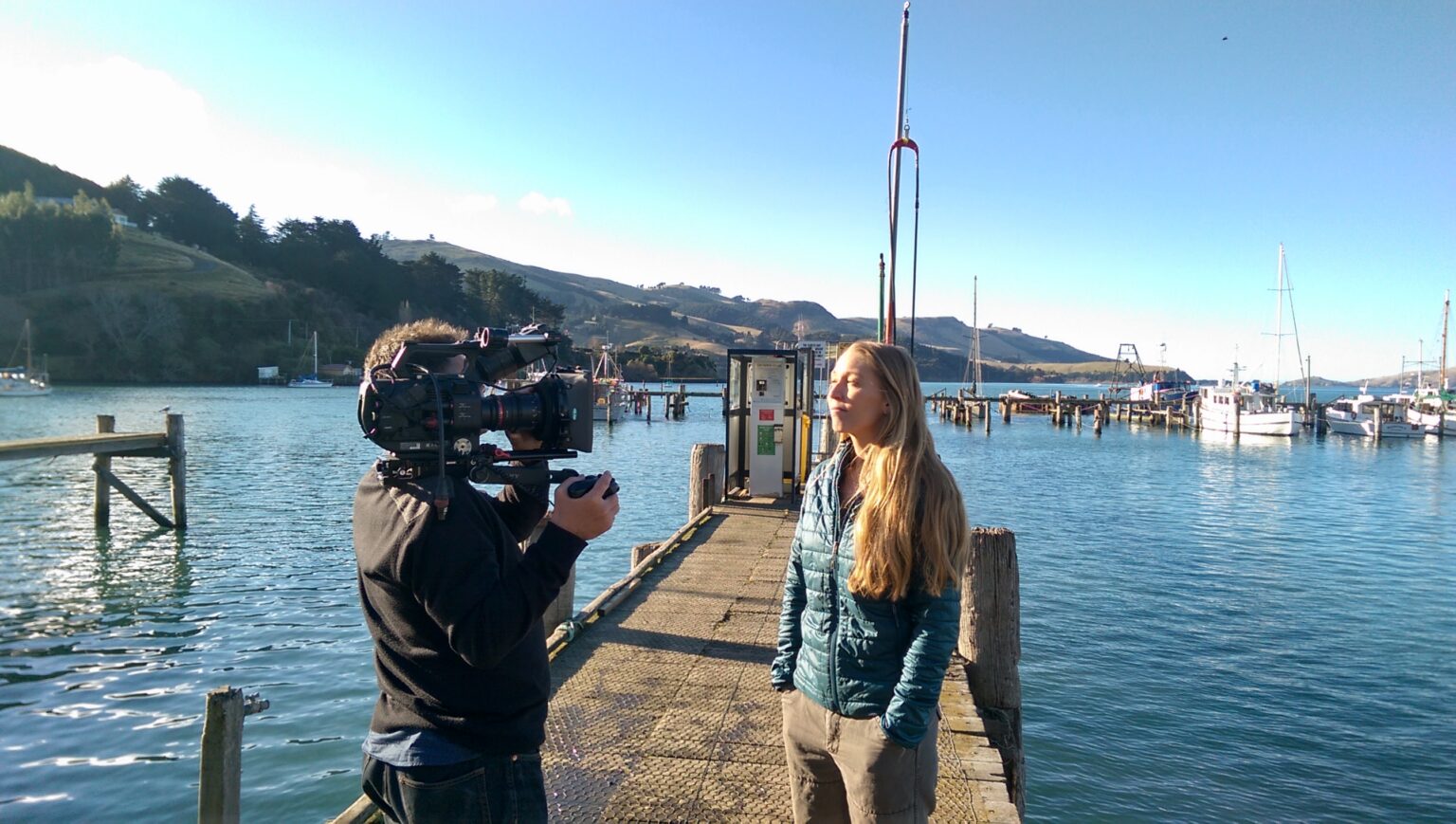
Media and communication training workshop
Practice interviews. Develop key messages. Prep for tricky questions. Ensure your research is reported accurately.
Our media and communication masterclass will help you find the story in your research and learn how to achieve media coverage that is true to your science AND engages your audience.
This workshop is over one full day on-site, or can be modified for online delivery over two half days.
Working journalists from television, print and radio join us to explain what makes news for them. You will get the chance to ask questions and to be interviewed by journalists, get feedback and practical advice.
Our media training stands apart from most corporate training which tends to be adversarial. We focus on making the scientist and their work shine for the media and their stakeholders.
We also help you work out how to stay out of trouble and deal with tricky questions. But mostly we focus on helping you tell a good story, free of jargon and complexity.
The course covers: television (with practice interviews); radio (with practice interviews); handling tricky questions and staying out of trouble; print and online media; developing your communication plan; social media and becoming an ‘expert’.
Forums
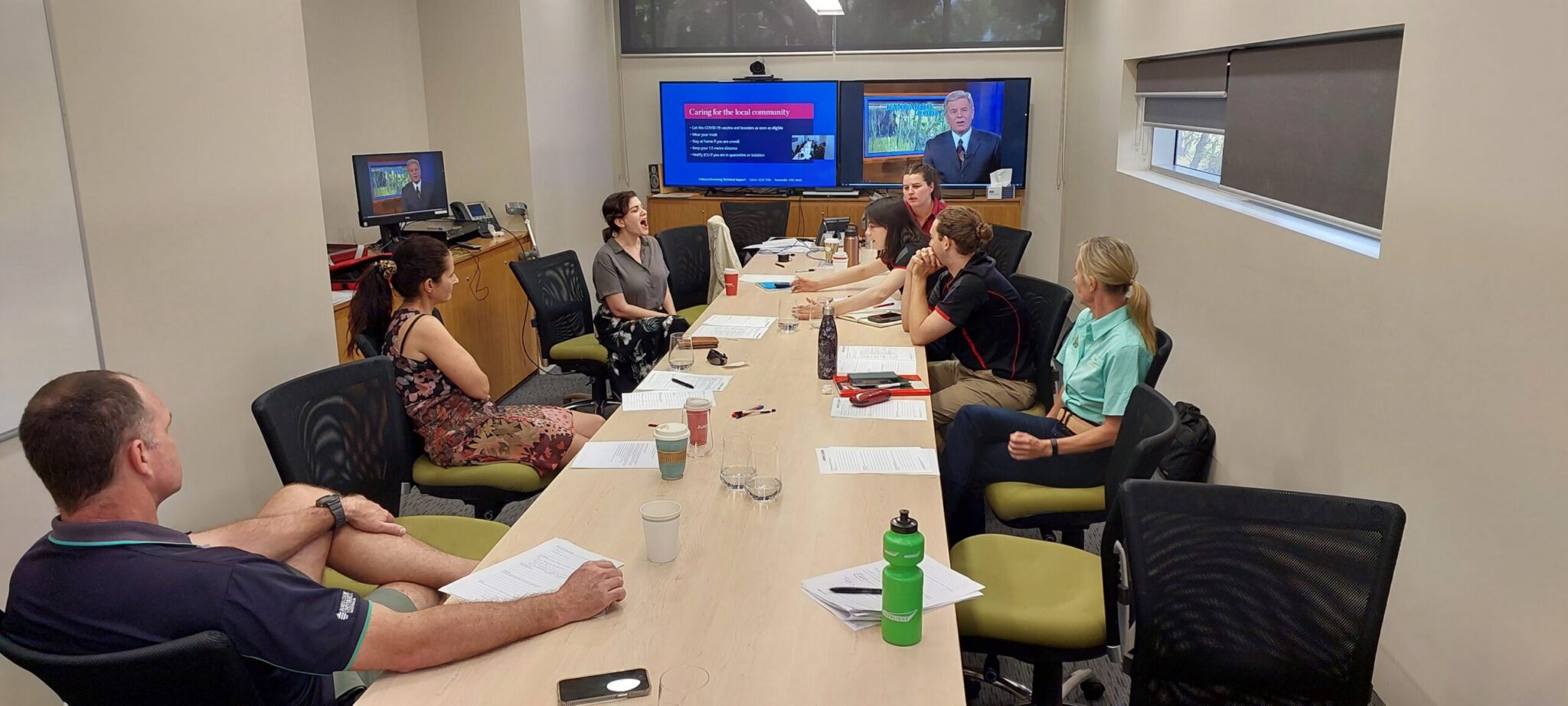
90-minute moderated discussions with Q&A where we bring your audience to you. These are currently delivered online for up to 100 participants
Meet the press. Guests include three working journalists from TV news, print/online and radio who discuss what they do, and what they’re looking for in stories.
Talking to stakeholders. Panellists include journalists, ministerial advisers, business/innovation gurus, patient advocates, and/or social media experts—to get researchers thinking about how and why to talk with the media and other stakeholders.
Should you be on social? Should you be on social media? Hear from researchers who have built strong social media profiles. Find out how and why they started and what they’ve learnt along the way.
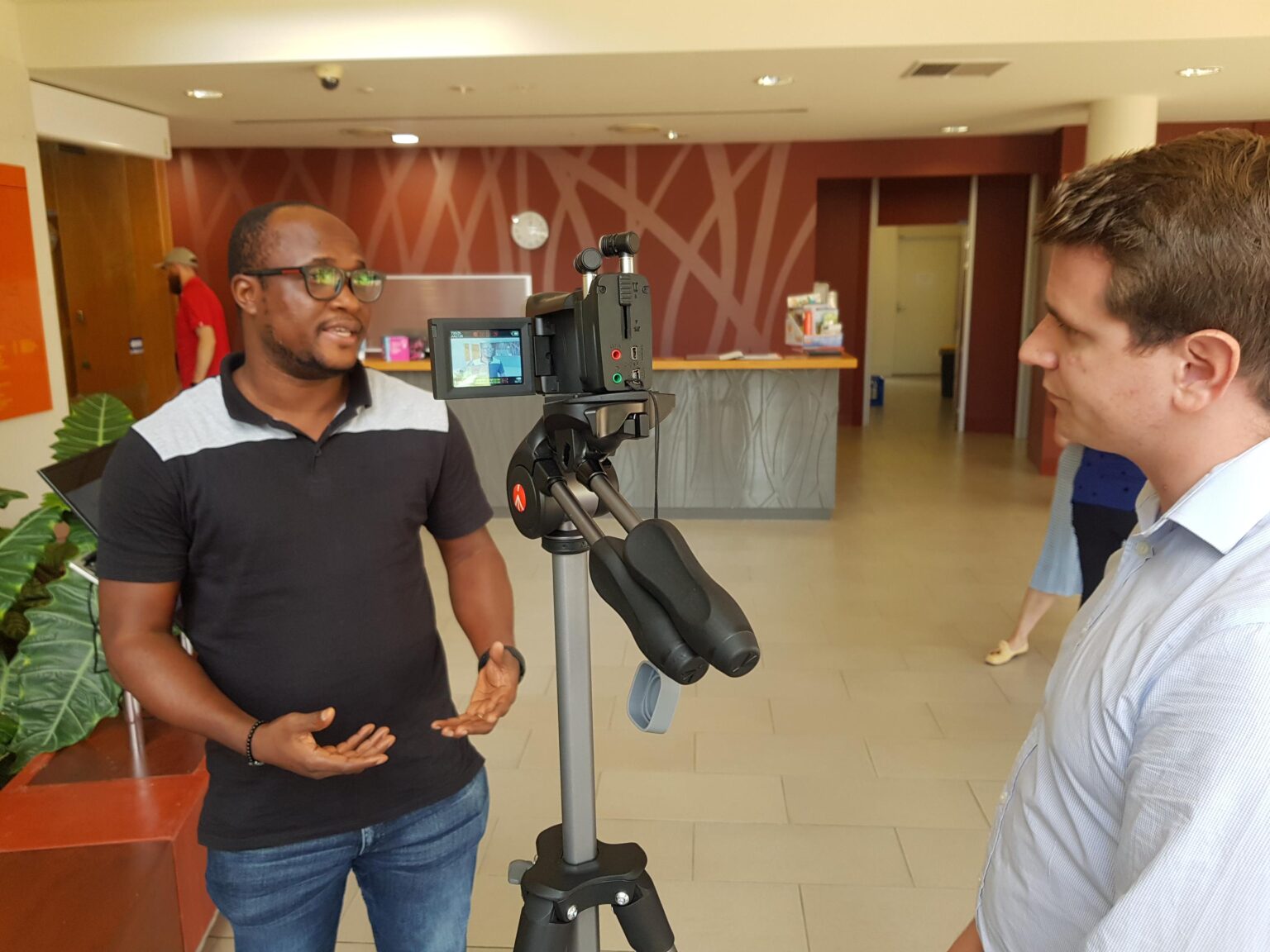
Short workshops
These can be stand-alone or run back-to-back with one of the forums above with a short break in between.
Make your pitch/presentation. What makes a good pitch or presentation, write one, present it and receive feedback.
Develop your online profile. Walk through the steps to develop a personal profile: covering websites, Twitter accounts, Facebook profiles, and other platforms. Covering why you might want a higher profile, who are your communities of interest, sharing content, and keeping out of trouble.
Presenters
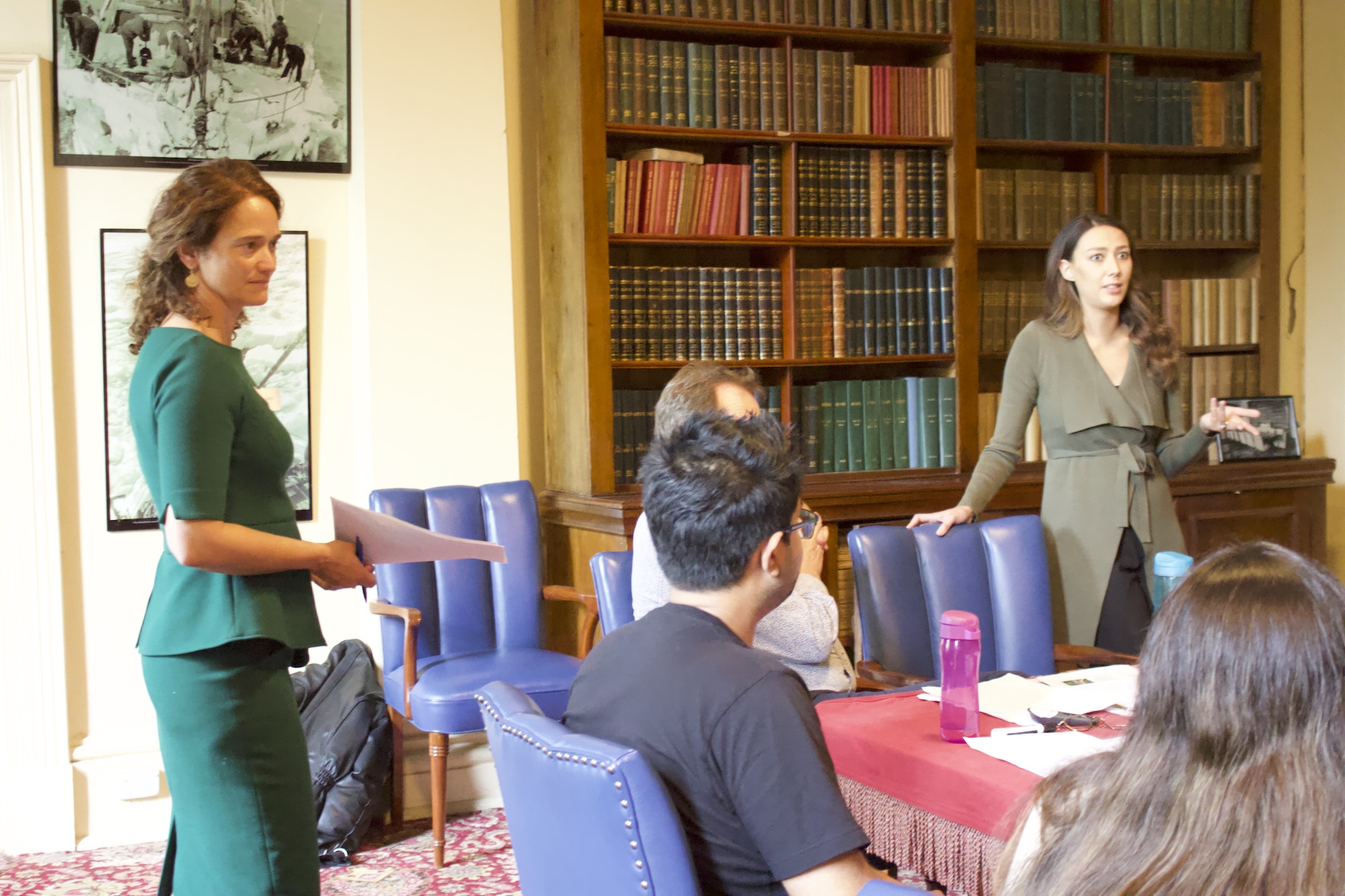
The courses will be presented by one or more of the following:
Our capability
We’ve been training researchers for twenty years in media, communication and pitching skills. Some highlights include:
How can we help you?
Niall Byrne +61 417 131 977 | niall@scienceinpublic.com.au
Sarah Brooker on +61 413 332 489 | sarah@scienceinpublic.com.au
Our team are located in Adelaide, SA and Melbourne, VIC.