Platypus and rakali: adorable predators. Balloon veggies. Science cabaret. What came before #WomenInSTEM?
Highlights for ACT

- Platypus and rakali: cute predators a sign of healthy waterways
- Geological striptease
- Balloon veggies: persuading kids to eat healthier foods
- Iranian refugee and Trekkie founds space film festival exploring a ‘better future’
- Before the #WomenInSTEM hashtags, there was a newsletter
- Help fix Wikipedia’s women problem
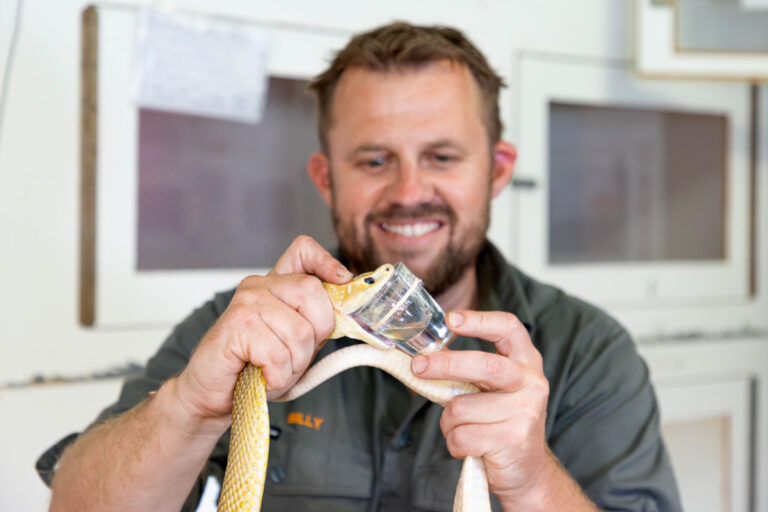
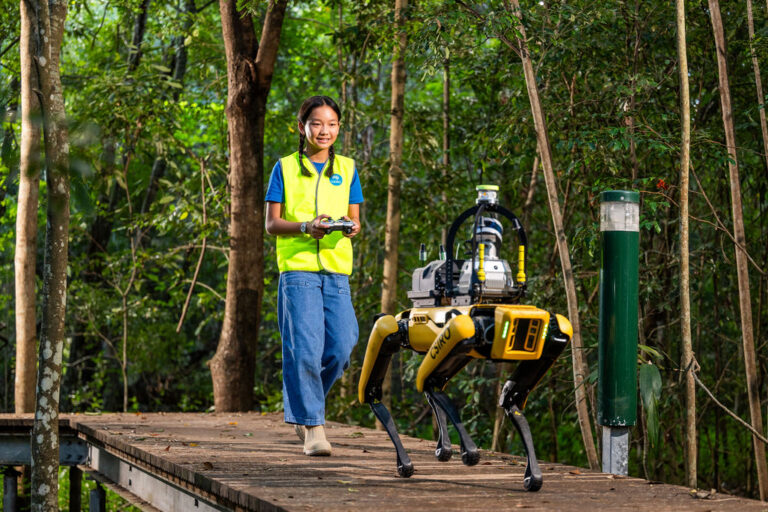
- Science in shopping centres: snakes, space, rockets, rocks and more
- Dancers with disability pollinate science and inclusion
- The sound of cosmic collisions: a musical exploration of space-time
- Over-55s coding to keep the brain young
- Flower power: what is Australia’s most amazing wildflower?
More on these highlights below.
National Science Week in the Australian Capital Territory is coordinated by Inspiring the ACT. Visit their website: inspiringtheact.org.au.
National Science Week in ACT: highlights
Platypus and rakali: cute predators a sign of healthy waterways – Whitlam & Tidbinbilla
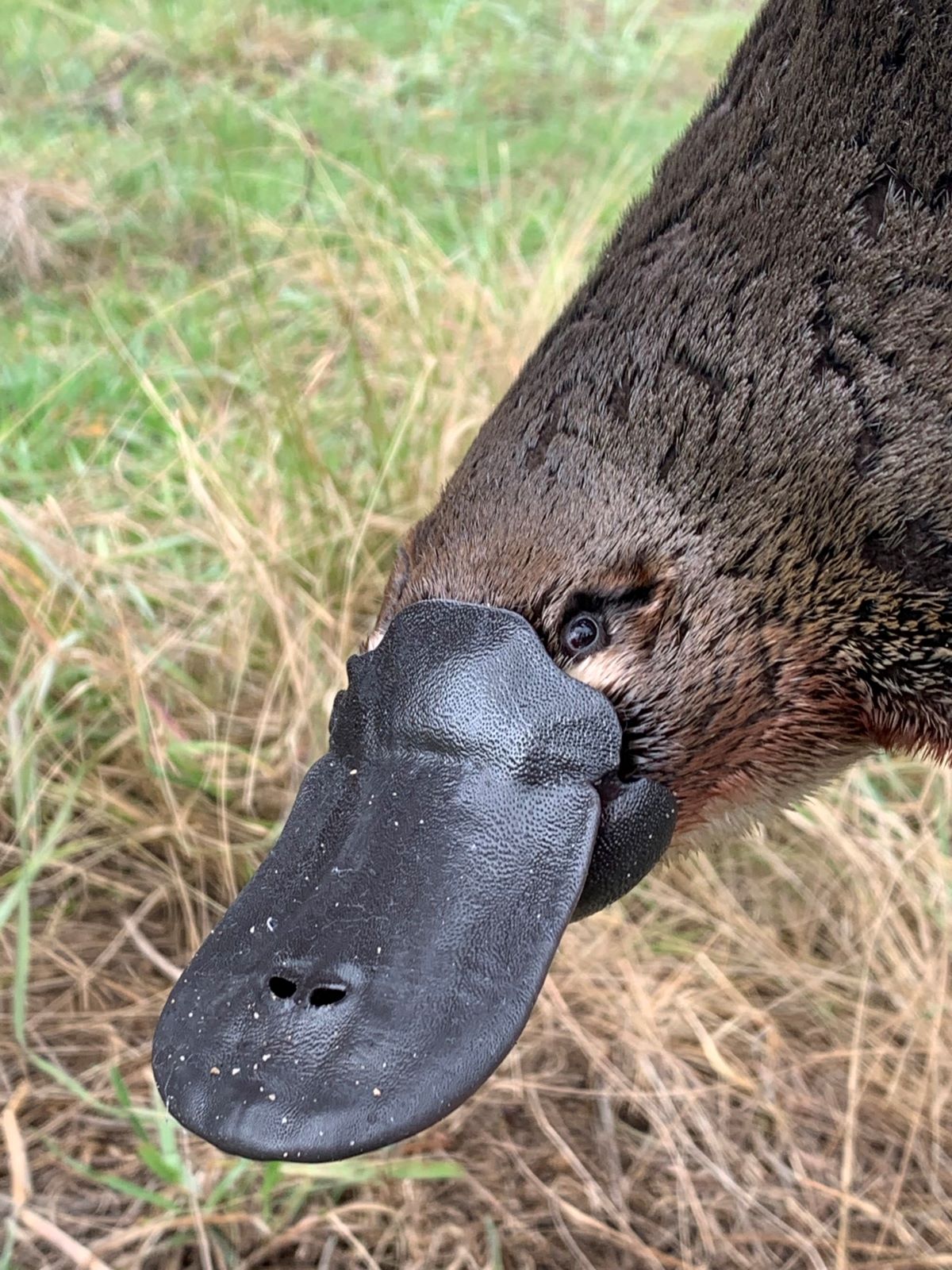
The waterways around the nation’s capital are home to some of Australia’s most adorable predators.
Platypus are expert hunters, with special sensors in their bills enable them to detect tiny electric signals of moving prey. They can eat 40,000 waterbugs and other organisms a day.
Rakali, the native water rat often referred to as Australia’s otter, is a clever creature. Rakali in Australia’s north have learnt to kill cane toads and eat their non-toxic organs with “surgical precision”.
As top predators, they can only survive where there’s a substantial supply of smaller creatures, making them a sign of a healthy freshwater ecosystem. That’s why Dan Harris-Pascal and his colleagues at Upper Murrumbidgee Waterwatch monitor platypus and rakali populations with the help of volunteers.
This National Science Week, the program is running guided platypus and rakali walks to spot them in their natural environment, waterbug hunt bioblitzes to collect and identify aquatic macroinvertebrates (platypus food), and a screening of the film ‘The Platypus Guardian’ and Q&A with its star Tasmanian photographer Pete Walsh who is working to protect Hobart’s platypus population.
Tidbinbilla Sanctuary Walk: Saturday 8 August: www.scienceweek.net.au/event/guided-platypus-walk-at-the-tidbinbilla-sanctuary/paddys-river/
Molonglo River Walk: Sunday 9 August: www.scienceweek.net.au/event/guided-platypus-walk-at-namarag-nature-reserve-molonglo-river/whitlam/
Platypus Guardian Film and Q&A with Pete Walsh: Tuesday 18 August: www.scienceweek.net.au/event/platypus-guardian-film-screening-and-q-and-a-with-pete-walsh/acton/
Media enquiries: Daniel Harris-Pascal, daniel.harris-pascal@act.gov.au or 0413 246 761.
Daniel Harris-Pascal and Pete Walsh are available for media interviews. Please allow a couple of days for Daniel to gain interview approvals.
Striptease meets ‘dirty’ science – Canberra

Canberran researcher Dr Karina Judd presents a smart, sexy, adults-only exploration of geological and earth sciences.
By day, Dr Judd conducts science-engineering-social science research at the Australian National University to make the zero-carbon transition more people-friendly.
By night, she moonlights as ‘Roxie’ in her one-woman cabaret Rock Hard! The Geological Cabaret, winning the 2026 Science at the Fringe Award.
“Funny and bold … an enjoyable learning experience!” – judge’s comments, Adelaide Fringe Festival.What to expect? Cocktail hour geology with sultry songs, smouldering dance, sharp wit and a shimmer of burlesque. No safety glasses required.
Friday 14 – Saturday 15 August.
Event details: www.scienceweek.net.au/event/rock-hard-the-geological-cabaret-2/canberra/
Media enquiries: Dr Karina Judd, karina.judd@gmail.com or 0448 318 748.
Dr Judd, who wrote and produced Rock Hard! The Geological Cabaret, is available for media interviews. She studied environmental geology at UNSW Sydney, specialising in soil and mineral chemistry before completing Honours in geology showcasing soil chemistry techniques as a useful tool in identifying past tsunami. And she is a seasoned performer of cabaret, burlesque and dance.
See ANU profile: cpas.anu.edu.au/people/karina-judd
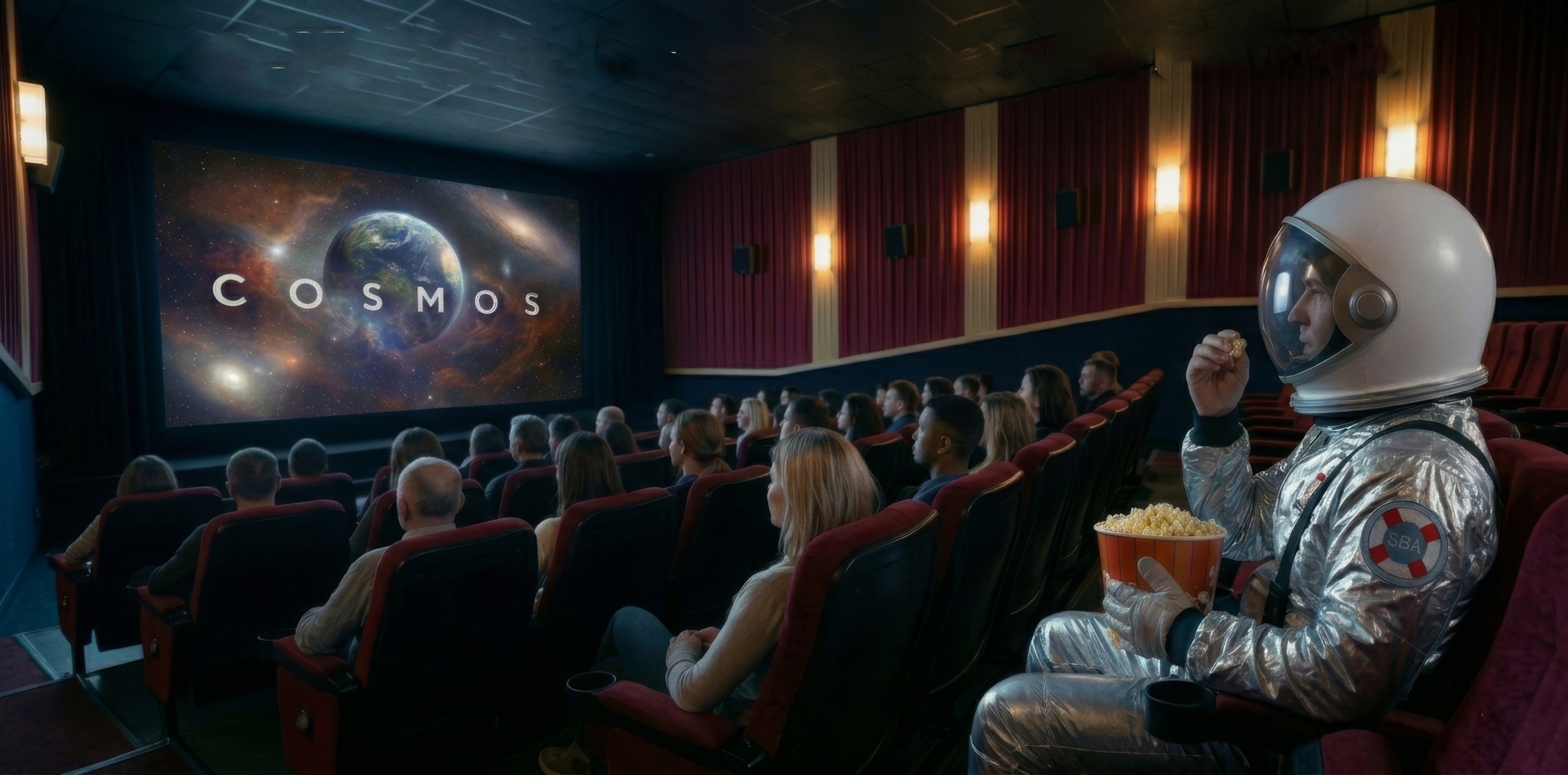
Iranian refugee and Trekkie founds space film festival exploring a ‘better future’ – Canberra
Former IT professional-turned-filmmaker Masoud Varjavandi found strength watching Star Trek while growing up in a Baha’i family persecuted in Iran during the 1980s.
Today, he shares stories for a better future through Canberra’s Space Faring Civilisation Film Festival, featuring award-winning sci-fi and documentary shorts.
Masoud says: “This isn’t about escapism. It’s about reminding people that progress, peace and a better future are still within reach.”
Free stop-motion animation workshops will be held in Canberra’s shopping centres in the lead-up to the Space Faring Civilisation (SFC) Film Festival on Sunday 23 August.
The SFC Film Festival’s mission to bring together the next generation of filmmakers and science storytellers, culminating in a full-day event that includes creative workshops, Q&A panel, and screenings of award-winning sci-fi and documentary shorts with a positive perspective on science and space exploration.
Sunday 23 August. Event details: www.scienceweek.net.au/event/2026-space-faring-civilisation-sfc-film-festival/canberra
Media enquiries: Masoud Varjavandi, masoud@sfcfilms.com, 0432 902 619.
SFC Film Festival director Masoud Varjavandi is available for media interviews. View the 2025 Highlight Reel.
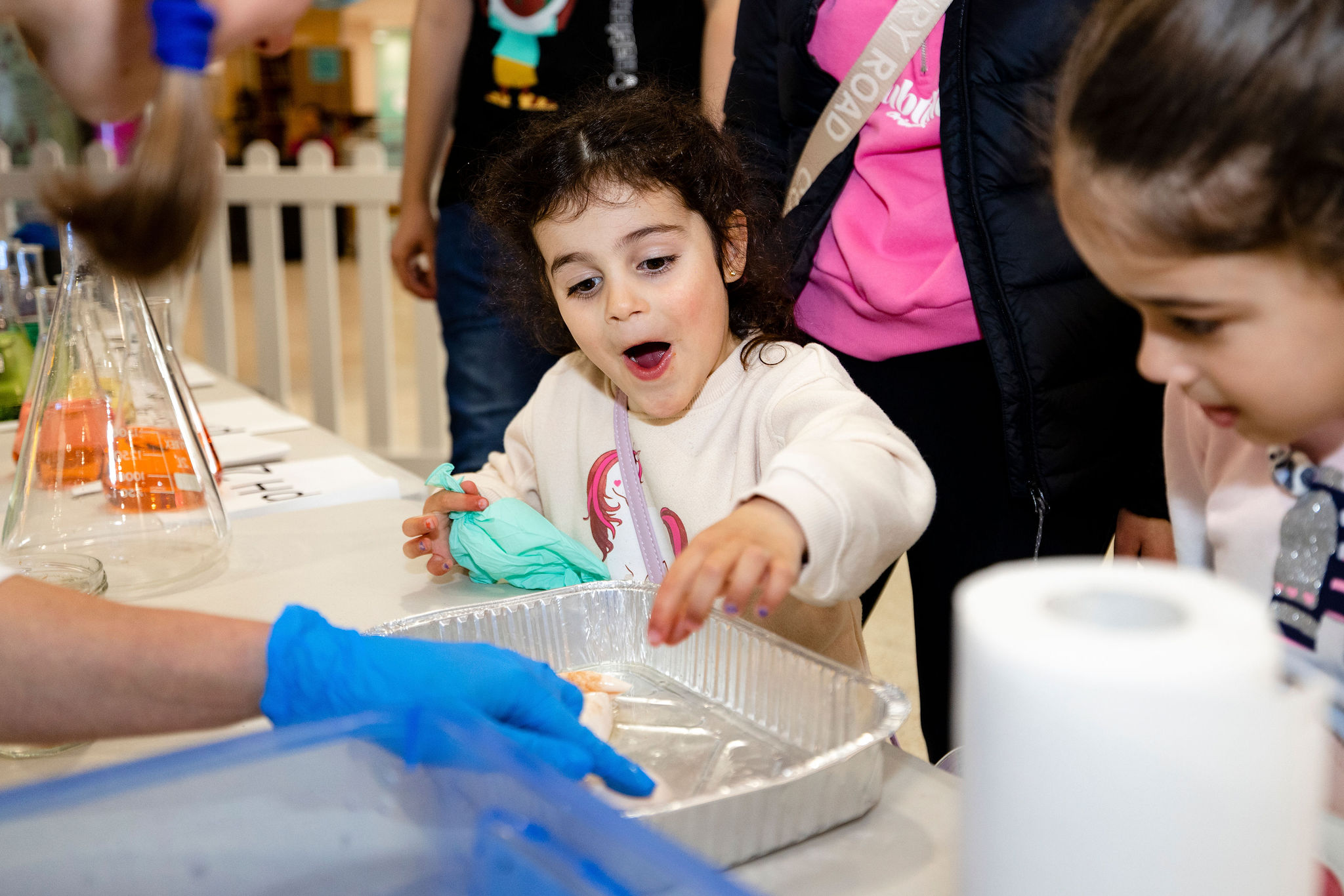
Balloon veggies persuade kids to eat healthy – Canberra, Condor, Denman Prospect & Holt
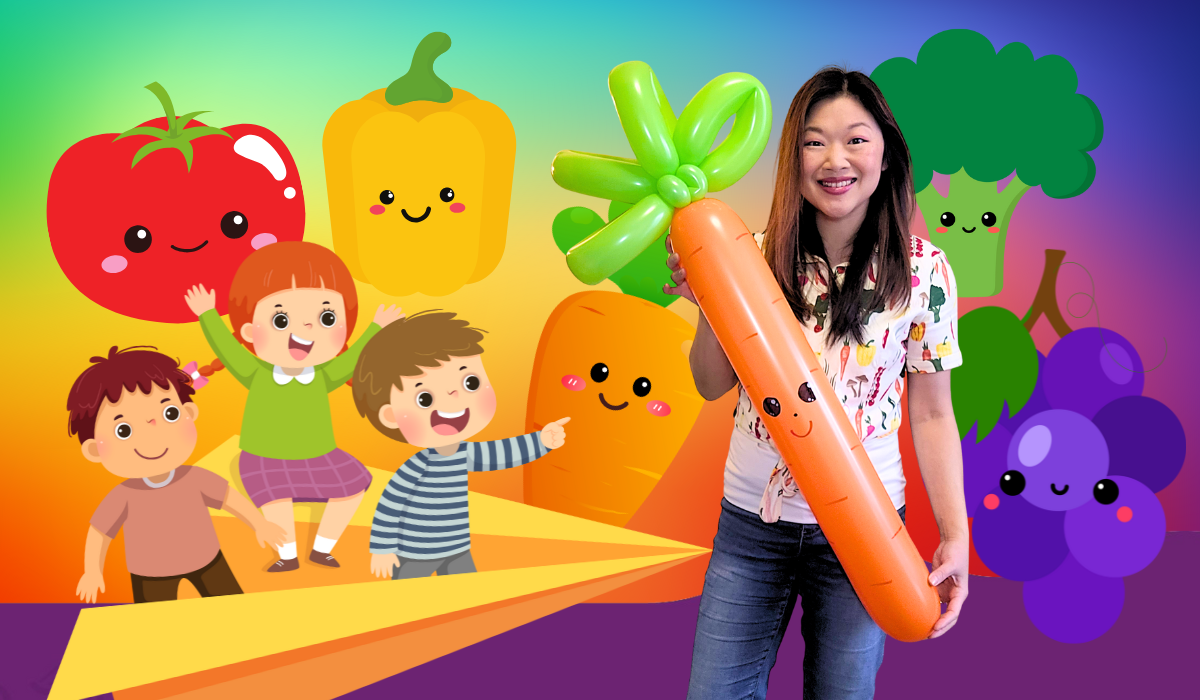
Move over balloon animals, these balloon fruits and veggies are getting kids eating healthy (note: please don’t eat balloons). Former reality tv star, molecular biologist and official balloon scientist Dr Chloe Lim has partnered with the University of Canberra and Nutrition Australia to create Foodie Fun Play! This hands-on adventure lets curious little eaters explore nutrition through storytelling, science and sensory experiences. Perfect for kids aged 3-8.
Chloe founded edutainment venture, Twistyfic, and made the finals of Channel 7’s TV show, Blow Up.
Saturday 15 August – Saturday 22 August. Multiple dates and locations.
Media enquiries: Dr Chloe Lim, chloe@twistyfic.com, 0401 118 648
Dr Chloe Lim is available for media interviews. Photos available for media use here.
The sound of cosmic collisions: a musical exploration of space-time – Acton & online
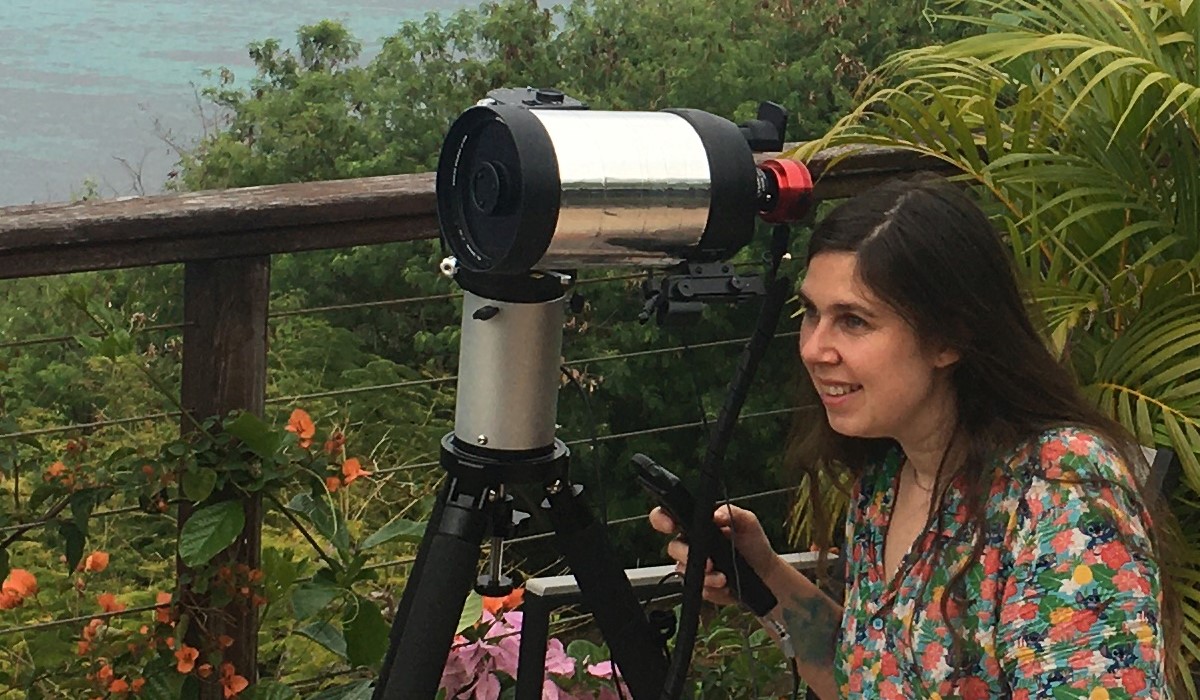
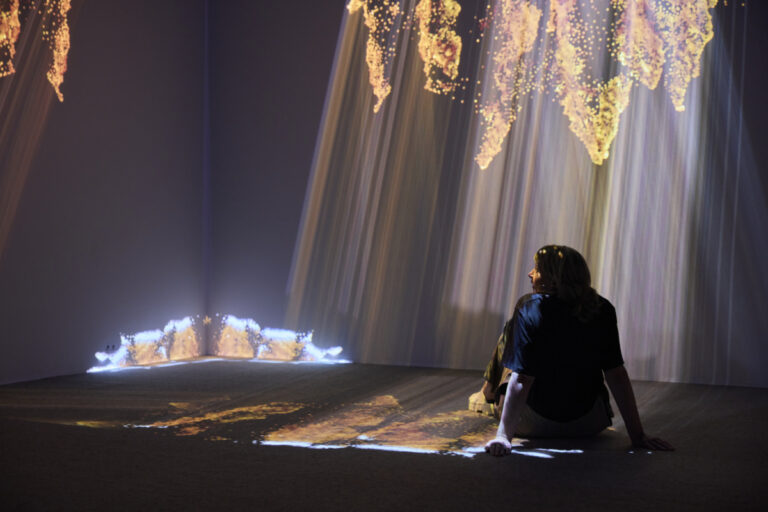
The most violent events in the universe create elements such as gold, platinum and the iodine in human blood. Dr Karelle Siellez is listening to the aftermath of these massive kilonova through electromagnetic radiation ad gamma-ray bursts. She will explore the ‘sound’ of cosmic collisions, and what these signal reveal about the universe, during public talks across the country as part of the 2026 Marie Curie lecture series.
Karelle is an astrophysicist and lecturer at the University of Tasmania. She contributed to the first detection of a gamma-ray burst and gravitational waves from the same cosmic event, recognised with the 2017 Breakthrough Prize. She is also an award-winning science communicator who integrates art, sound, and storytelling into her work.
Monday 17 August. Event details: www.scienceweek.net.au/event/2026-marie-curie-lectures-painting-the-universe-a-visual-and-musical-exploration-of-space-time-with-dr-karelle-siellez-2/acton/
Media enquiries: Dr Karen Livesey and Dr Karen Siu (Marie Curie Tour Co-ordinators), wip@aip.org.au or 0478 260 533
Before the #WomenInSTEM hashtags, there was a newsletter – Canberra

In the mid-1980s women in science in Canberra, mostly from ANU and CSIRO, started a network and a journal. The Women in Science Enquiry Network grew Australia-wide and campaigned for equity for the next two decades.
Dr Frances Michaelis leads a tour of the WISENET archive at the National Library of Australia – through the journals and ephemera that document how those women found each other and organised. Designed especially for science communicators.
Wednesday 12 August: www.scienceweek.net.au/event/pages-of-progress-inside-wisenet
Media enquiries: Jasmine Fellows, jasmine.fellows@anu.edu.au or 0407 006 170.
What do you think is Australia’s most amazing wildflower? – online

ABC Science wants Australians to discover our hidden “flower power”, the kind you find in botanical gardens rather than hippie communes.
With the help of experts, ABC Science has selected ten flowering plants from across the country.
Not just another banksia or waratah, but blooms from the unsung understory that also do something unbelievable. These ten wildflowers are more than just a pretty face; each one hides a surprising superpower. The public will decide which is the most amazing.
Voting to decide Australia’s most amazing wildflower will start just before National Science Week in August, with the winning bloom announced on Friday August 21 in a live broadcast on Radio National.
The shortlist:
- Bladderwort (Utricularia) – Traps and digests insects inside tiny floating “bladders”
- Star flower (Calytrix) – Changes colour like a ‘traffic-light’ to direct pollinators
- Flannel flower (Actinotus) – Blooms from bushfire ashes like a floral phoenix
- Flying duck orchid (Caleana) – Traps insects for pollination and looks like a duck!
- Mulla mulla (Ptilotus) – Thrives, and flowers, in tough, hot arid environments
- Murnong/yam daisy (Microseris) – Provided a significant year-round nutritious food for Indigenous people
- Richea scoparia – Survives extreme cold and feeds snow skinks
- Creamy candle (Stackhousia) – Looks like a candle and emits a sweet fragrance at night
- Triggerplant (Stylidium) – Hits insects with pollen using a catapult-like trigger
- Underground orchid (Rhizanthella) – Lives underground and looks like a tiny demogorgan.
Wednesday 5 August – Friday 21 August. To find out more and vote, go to www.abc.net.au/wildflowers.
For interviews with Dr Ann Jones, contact Rob Caulley, ABC Publicity, Caulley.Rob@abc.net.au.
Over-55s coding to keep the brain young – Phillip

Anyone over 55 who can handle a keyboard and mouse can learn to build colourful, musical, moving creations at a free Creative Computing for Seniors workshop using Scratch – the block-based coding tool used by more than 100 million people worldwide.
In a relaxed setting, participants snap multi-coloured blocks together to make interactive stories, games and animations, no experience required. Lunch and refreshments are included.
The organisers pitch it as a way to keep the brain sharp that’s more fun than crosswords or sudoku and a chance to meet new people and start a local Scratch community.
Saturday 15 August and Saturday 22 August. Event details: www.scienceweek.net.au/event/creative-computing-for-seniors-workshop-using-scratch-10/phillip
Media enquiries: Thomas McCoy, mobilemccoy@gmail.com or 0402 050 852.
Thomas McCoy available for media interviews; photo and video opportunities available.
A First Nations astrophysicist reads the art at the NGA – Parkes
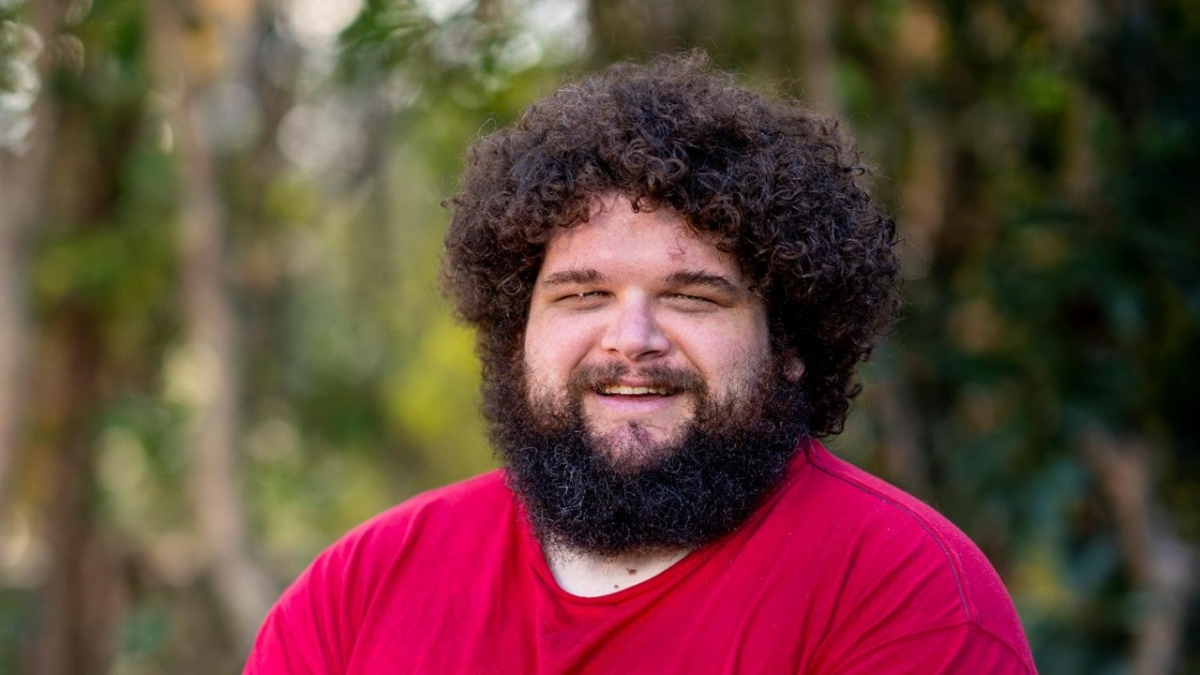
First Nations astrophysicist and cultural astronomer Peter Swanton will walk the National Gallery of Australia responding to works in the National Collection – and in Ngura Puḷka: Epic Country – tracing the links between contemporary science, visual art and the world’s oldest living continuous culture.
A Gamilaraay and Yuwaalaraay man, Swanton began his research in black holes and cosmology before shifting to cultural astronomy and dark-sky preservation. His work highlights the scientific importance of Indigenous star knowledges and the threat of light pollution
Friday 14 August. Event details: www.scienceweek.net.au/event/dark-sky-stories-and-art-art-vs-science-friday-art-talks/parkes
Media enquiries for Peter Swanton: media@anu.edu.au or 02 6125 7979
Event organiser: National Gallery of Australia, learning@nga.gov.au or (02) 6240 6411
Snakes, space, rockets, rocks and more while you shop – around Canberra
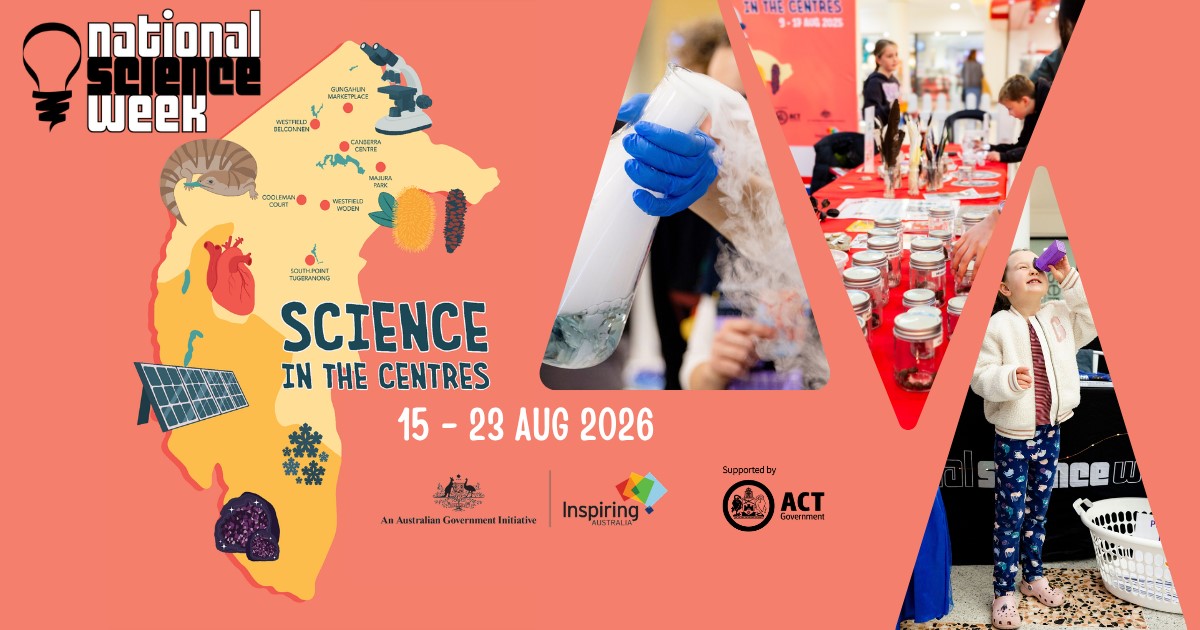
Pop-up activity centres will give shoppers the chance to discover the science behind native plants, reptiles, engineering, space (and sci fi!), pollen mapping and the environment.
Canberra Centre, Westfield Belconnen, Westfield Woden, South Point Tuggeranong, Majura Park Shopping Centre, Cooleman Court, and Marketplace Gungahlin will host a variety of displays and hands-on science activities during the weekends of National Science Week (15 – 16 and 22 – 23 August).
Media enquiries: Brook Clinton, actscienceweek@gmail.com or 0406 356 207.
Dancers with disability pollinate science and inclusion – Greenway, Belconnen & Braddon
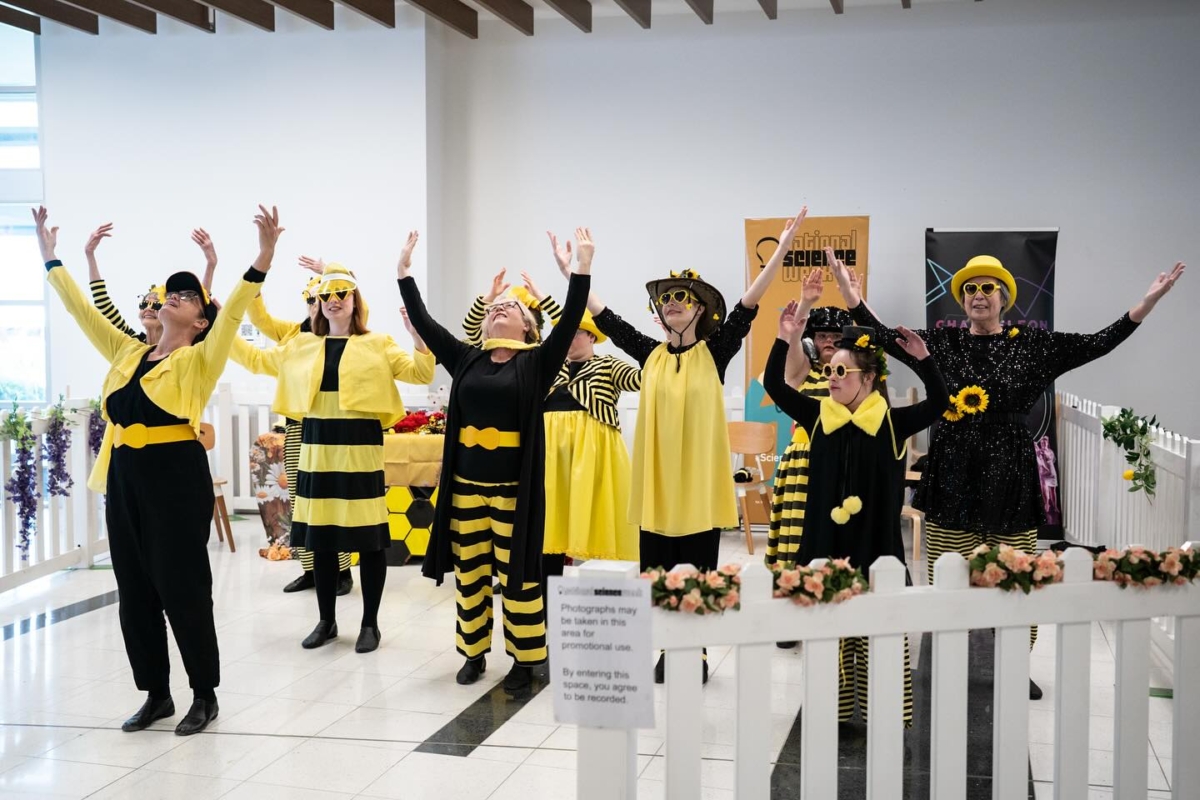
Explore the importance of bees for ecology, biodiversity and our food train through ‘BuzzACT’, a dance-and-science show for children.
Canberra’s inclusive dance performance group, The Chamaeleon Collective, comprises 70% of artists living with disability, chronic illness and/or PTSD.
Launched in 2020, The Chamaeleon Collective, is part of The Stellar Company, founded by dance artist/choreographer/producer, Liz Lea. The initiative provides professional mentoring and career pathways for emerging artists with and without disability.
Saturday 15 to Saturday 22 August. Multiple dates and locations.
Media enquiries: Liz Lea, The Stellar Company, director@thestellarcompany.com or 0498 988 252.
Liz Lea is available for media interviews.