Skip to content
Science in Public
  • About usExpand
    • Our team
    • Our clients
    • Our portfolio
  • Our servicesExpand
    • Writing and editing
    • Communication support
    • One-to-one consulting
    • Video production
    • Media for conferences
  • Media Training
  • Media releases
  • National Science Week
  • Newsletters
Contact
Science in Public
  • A brain bank of schizophrenia to fast-track diagnosis and better treatments; The stem cells in your brain are sleeping until they’re needed
    Media releases National Stem Cell Foundation of Australia

    A brain bank of schizophrenia to fast-track diagnosis and better treatments; The stem cells in your brain are sleeping until they’re needed

    10 November, 202526 November, 2025

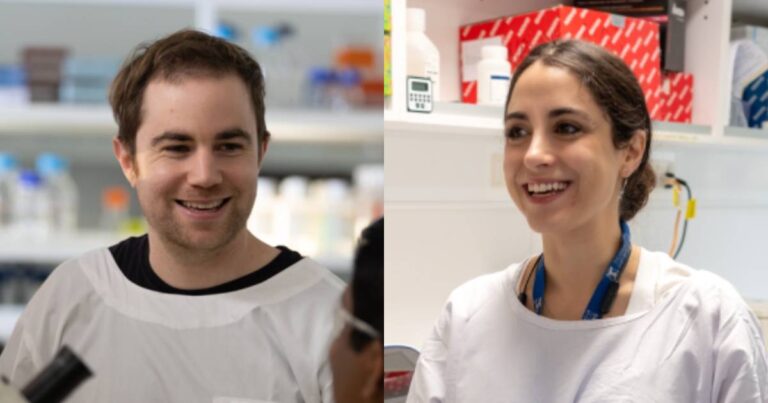
    Monday 10 November 2025 Winners of the National Stem Cell Foundation of Australia’s Metcalf Prizes announced today Scientists available for interviews, see below for contact details Two researchers using stem cells to study schizophrenia, degenerative diseases and brain cancer are winners of the 2025 Metcalf Prizes for Stem Cell Research, awarded by the National Stem…

    Read More A brain bank of schizophrenia to fast-track diagnosis and better treatments; The stem cells in your brain are sleeping until they’re neededContinue

  • A brain bank of schizophrenia to fast-track diagnosis and better treatments
    Exclude from Home Page National Stem Cell Foundation of Australia

    A brain bank of schizophrenia to fast-track diagnosis and better treatments

    10 November, 202510 November, 2025

    Dr Maria Di Biase has created a ‘brain bank’ of schizophrenia: blobs of brain cells from 100 patients, growing in the lab.  She’s using these brain organoids to develop urgently needed new approaches to diagnosis and treatment. Schizophrenia affects about one in 300 people worldwide. It usually manifests in adolescence. People with schizophrenia lose an…

    Read More A brain bank of schizophrenia to fast-track diagnosis and better treatmentsContinue

  • The stem cells in your brain are sleeping until they’re needed
    Exclude from Home Page National Stem Cell Foundation of Australia

    The stem cells in your brain are sleeping until they’re needed

    10 November, 202518 November, 2025

    Waking up brain stem cells at the right time could one day improve cognition and fight neurodegenerative diseases and cancer, according to Dr Lachlan Harris, a researcher at QIMR Berghofer in Brisbane Right now, most of the stem cells in your brain have been hibernating for months or years. Without periods of this sleep-like state,…

    Read More The stem cells in your brain are sleeping until they’re neededContinue

  • Growing ‘mini-lungs’ to find treatments to help kids breathe easier; What happens when cells stop talking?
    Media releases National Stem Cell Foundation of Australia

    Growing ‘mini-lungs’ to find treatments to help kids breathe easier; What happens when cells stop talking?

    7 November, 202429 September, 2025

    Thursday 7 November 2024 Winners of the National Stem Cell Foundation of Australia’s Metcalf Prizes announced today Scientists available for interviews, see below for contact details Researchers working with stem cells to study lung diseases and cell-to-cell communication breakdown are the two winners of the 2024 Metcalf Prizes for Stem Cell Research, awarded by the…

    Read More Growing ‘mini-lungs’ to find treatments to help kids breathe easier; What happens when cells stop talking?Continue

  • Growing ‘mini-lungs’ to find treatments to help kids breathe easier
    Exclude from Home Page National Stem Cell Foundation of Australia

    Growing ‘mini-lungs’ to find treatments to help kids breathe easier

    7 November, 20247 November, 2024

    Dr Rhiannon Werder is growing ‘mini-lungs in a dish’ that mimic the complexity and function of lungs in living people. The Team Leader at Murdoch Children’s Research Institute (MCRI) has already used stem cell-derived lung cells to create models of human genetic diseases, like cystic fibrosis, and acquired lung diseases and infections, such as the…

    Read More Growing ‘mini-lungs’ to find treatments to help kids breathe easierContinue

  • Exclude from Home Page National Stem Cell Foundation of Australia

    How do cells work together to create organs?

    7 November, 20246 November, 2024

    And what happens when they stop talking? Dr William Roman is growing human muscles on a chip. He’s using them to understand how the skeletal muscle cell, the largest cell in a human body, connects with neurons and tendons to create working muscles. William is using his ‘mini-muscles’ as a model to understand the fundamental…

    Read More How do cells work together to create organs?Continue

  • National Stem Cell Foundation of Australia

    Can stem cells make drugs to stop osteoarthritis? (Sydney); Stomach stem cells behaving badly (Melbourne)

    31 October, 202314 December, 2023

    Tuesday 31 October 2023 Winners of the National Stem Cell Foundation of Australia’s Metcalf Prizes announced today Scientists available for interviews, see below for contact details Researchers working with stem cells to find treatments for osteoarthritis and stomach cancer are the two winners of the 2023 Metcalf Prizes for Stem Cell Research, awarded by the…

    Read More Can stem cells make drugs to stop osteoarthritis? (Sydney); Stomach stem cells behaving badly (Melbourne)Continue

  • Exclude from Home Page National Stem Cell Foundation of Australia

    Can stem cells make drugs to stop osteoarthritis?

    31 October, 202314 December, 2023

    Dr Jiao Jiao Li plans to use stem cells as biofactories to make drugs to reduce inflammation and encourage repair in painful osteoarthritic joints. Osteoarthritis is a hugely debilitating joint disease with few treatment options.  Injecting stem cells to repair damaged joints has shown inconsistent and poor long-term results and the potential for adverse side…

    Read More Can stem cells make drugs to stop osteoarthritis?Continue

  • Exclude from Home Page National Stem Cell Foundation of Australia

    Stomach stem cells behaving badly

    31 October, 202314 December, 2023

    People diagnosed with late-stage stomach cancer have a less than 10 per cent chance of surviving more than 5 years. Dr Dustin Flanagan wants to boost that survival rate by understanding why some deviant stomach stem cells turn cancerous. This knowledge will help in the development of drugs to bring these misbehaving cells back to…

    Read More Stomach stem cells behaving badlyContinue

  • National Stem Cell Foundation of Australia

    Using stem cells to give sight and controlling rogue blood stem cells

    15 November, 202215 November, 2022

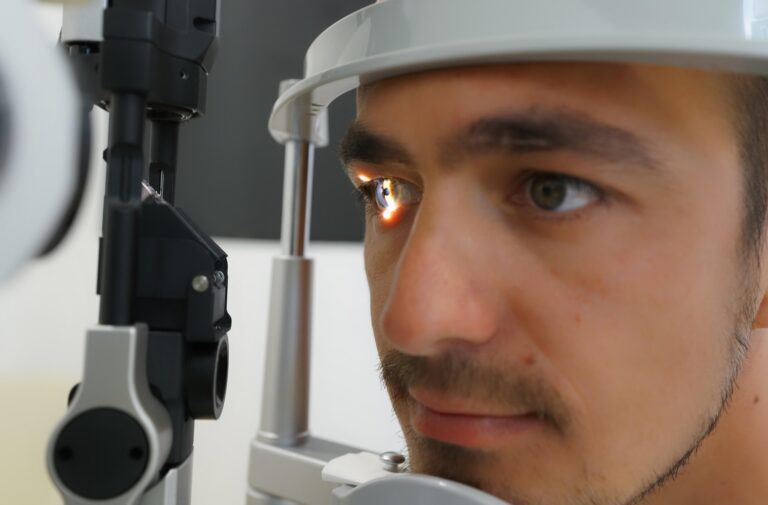
    Winners of the 2022 National Stem Cell Foundation of Australia’s Metcalf Prizes announced SCIENTISTS AVAILABLE FOR INTERVIEWS: Anai Gonzalez-Cordero: full profile and photos Ashley Ng: full profile and photos Researchers working with stem cells to restore sight and fight blood cancers are the two winners of the 2022 Metcalf Prizes for Stem Cell Research, awarded…

    Read More Using stem cells to give sight and controlling rogue blood stem cellsContinue

Page navigation

1 2 3 … 5 Next PageNext

© 2026 Science in Public - WordPress Theme by Kadence WP

Linkedin Bluesky Facebook Twitter
  • About us
    • Our team
    • Our clients
    • Our portfolio
  • Our services
    • Writing and editing
    • Communication support
    • One-to-one consulting
    • Video production
    • Media for conferences
  • Media Training
  • Media releases
  • National Science Week
  • Newsletters
Search